
TRAINING
Software Test Professionals Conference & EXPO
The Leading Conference on Software Testing – Where Testers Come to Learn
The Software Test Professionals Conference is the leading event where test leadership, management and strategy converge. The hottest topics in the industry are covered including Artificial Intelligence, agile testing, performance testing, test automation, mobile application testing, and test team management. Attending this conference will help you meet your professional career goals and give you the opportunity to improve your software testing techniques; find the latest tools; discover emerging trends; develop new or improve existing processes; network and gather with other high-level professionals; and gain industry insight you won’t find anywhere else.
STPCon 2021 – COVID-19 News
Once again, we are faced with a surge of COVID 19 cases to a level where people are either uncomfortable in a crowd or employers are hesitant to support a conference where employees could be at a higher risk for exposure to the virus.
Based on feedback from our community including STPCon Alumni, speakers, and sponsors, we have made the decision to cancel the fall conference which had been scheduled to take place September 27 – 29, 2021 in St. Louis, Missouri.
We will continue to monitor the situation and heed the guidance provided by health officials. We welcome any feedback you wish to share with us.
Watch www.STPCon.com for future updates.
Workshops
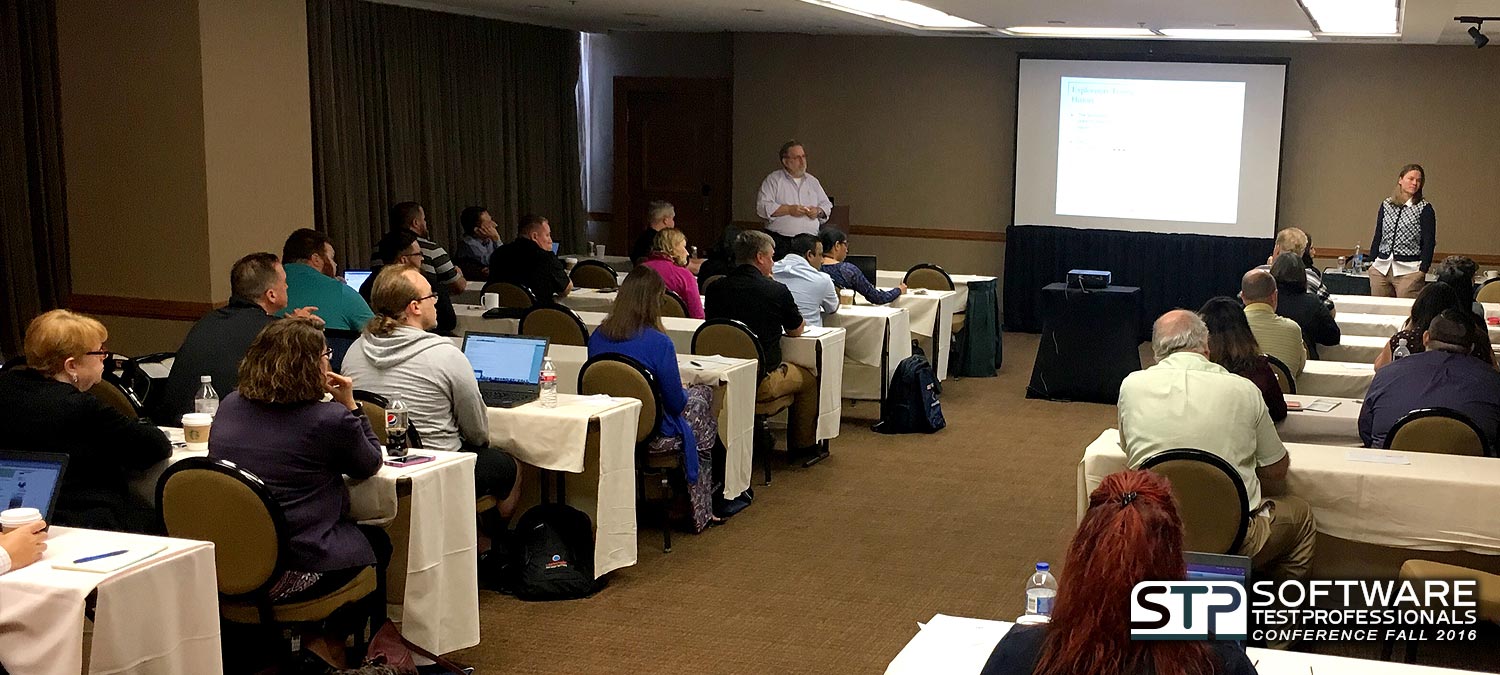
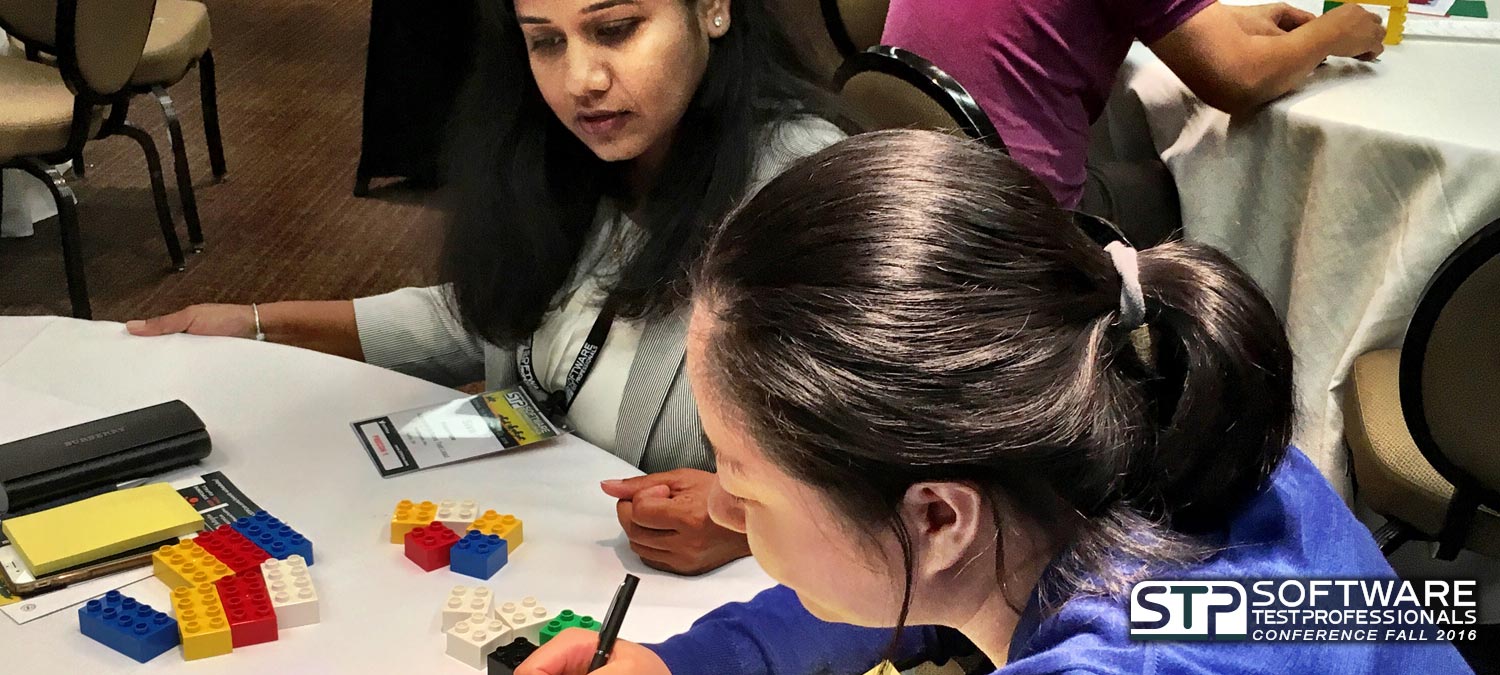
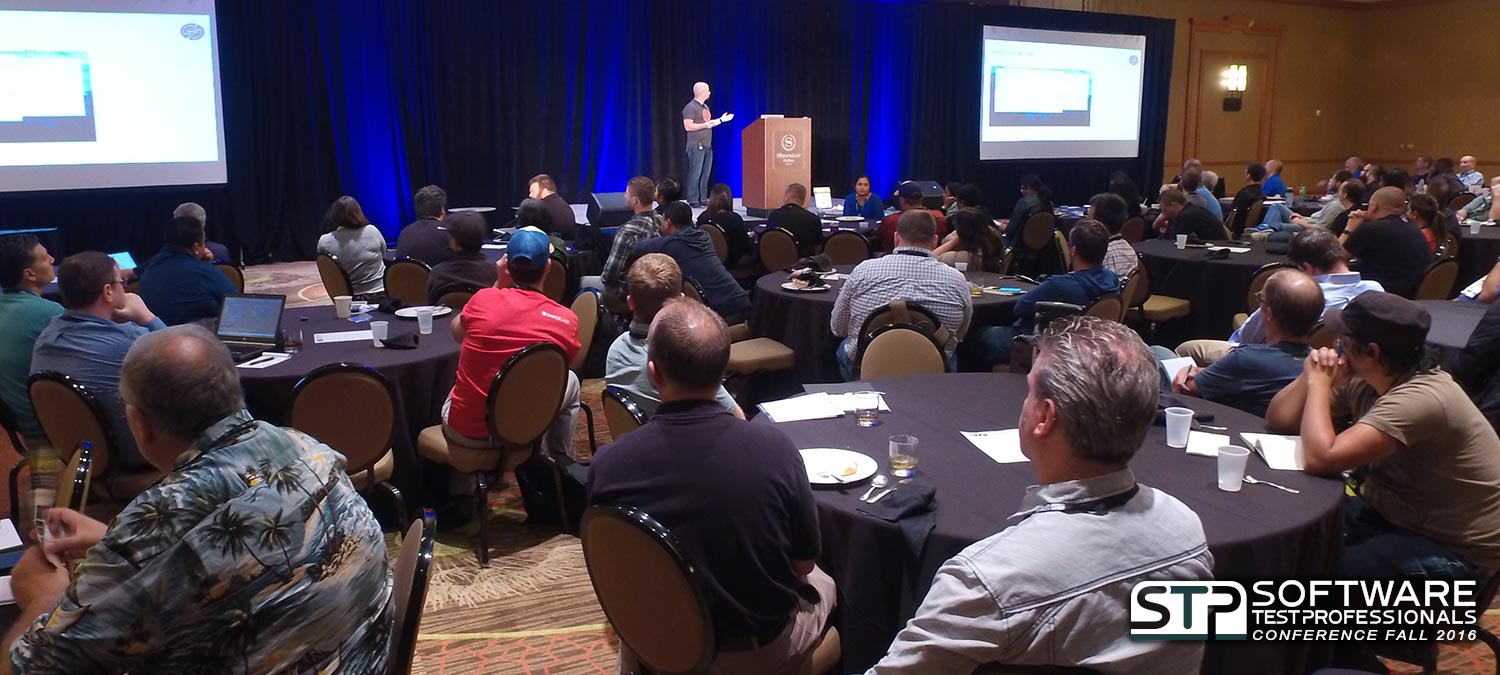
STPCon offers 3-hour in-depth workshops designed to dive deep into the testing methodologies you care about most. Our instructors come from the trenches, passing along proven tactics to help you become a more efficient and effective testing professional.
Sessions
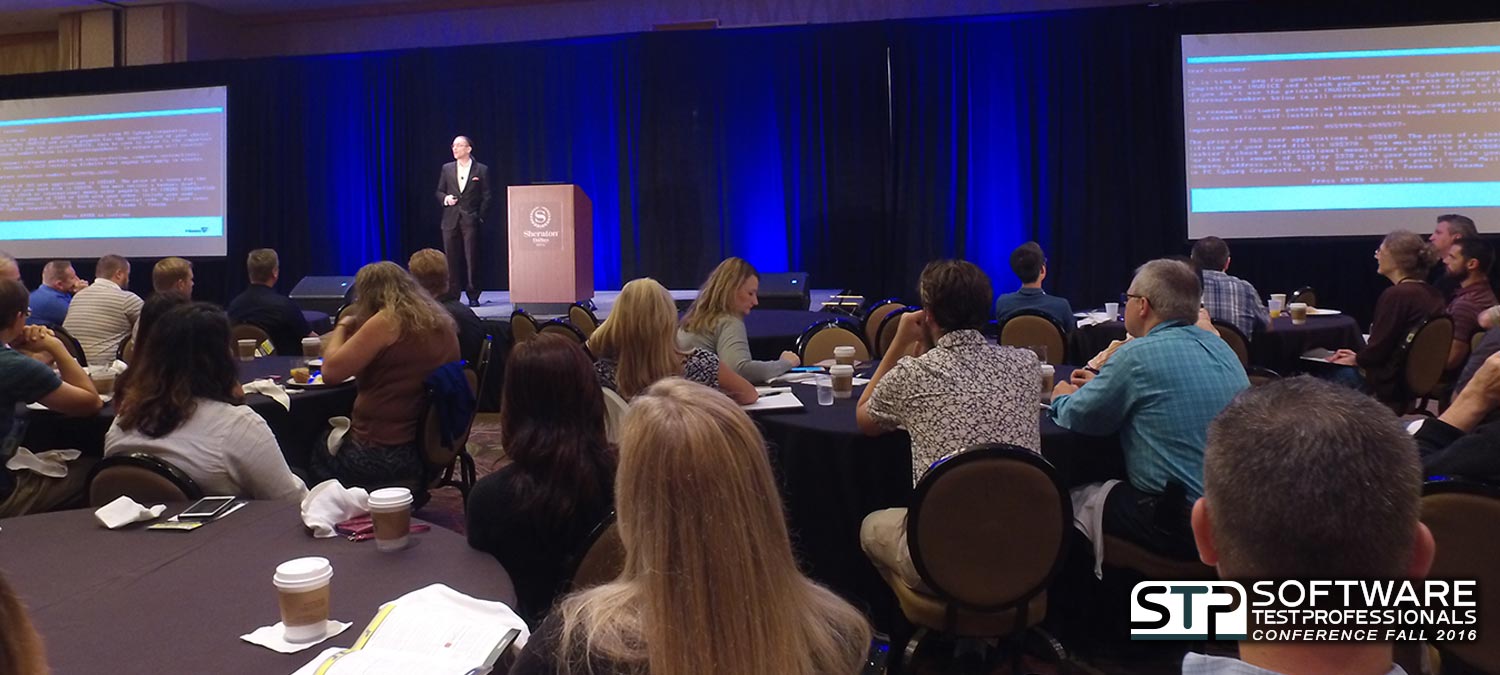
With more than 35 sessions, STPCon provides wide coverage in areas such as Automation, Performance, Agile, Mobile Testing, AI & Machine Learning, Leadership, and Strategy. STPCon meets the needs of the single engineer shop to the largest international test teams.
STPCon Attendees 2009-2020
Testing & QA Practitioners
Test & QA Articles
STPCon Event Archive
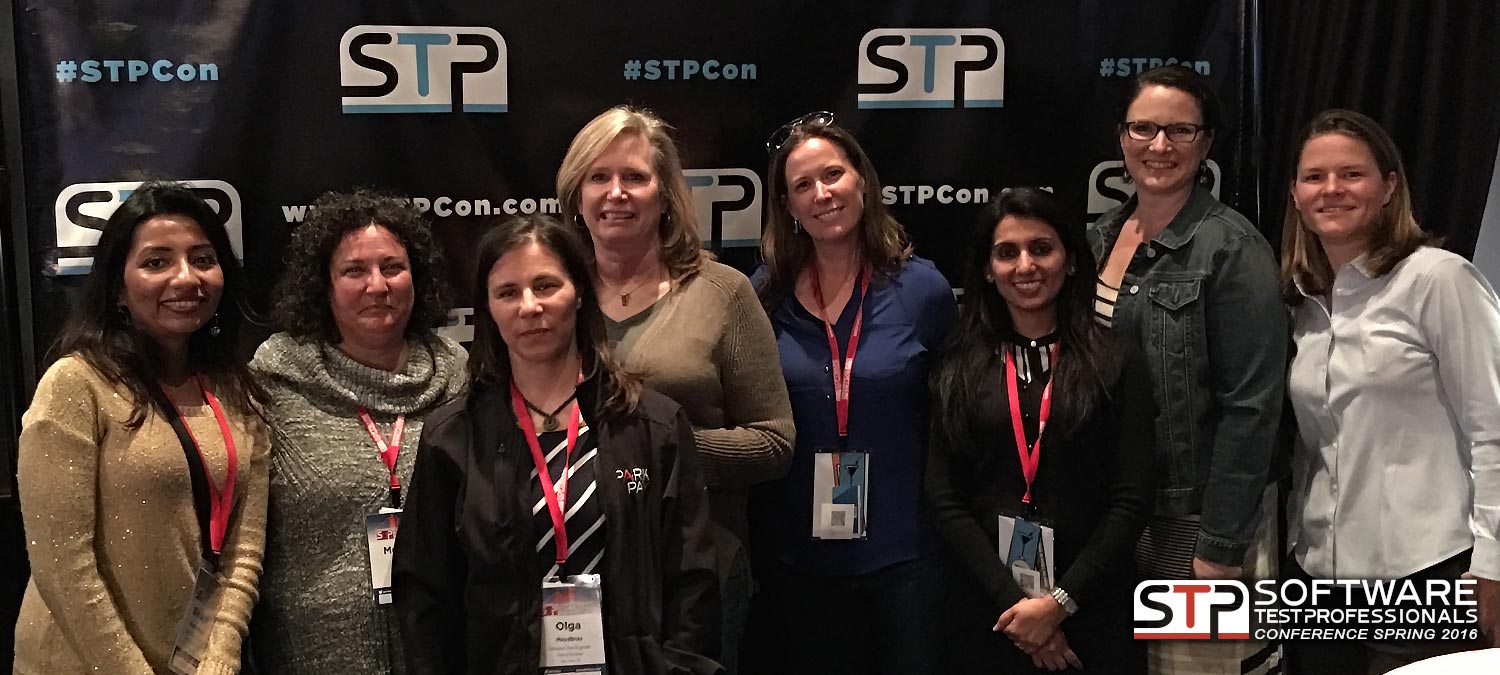
Since 2009, Software Test Professionals has held two conferences a year and is committed to delivering the best experience for our attendees. STP utilizes volunteers from the community to help produce the STPCon program, with the insight and expertise of these testing practitioners creating a well-rounded event touching all aspects of the testing practice. STP takes pride in the testimonials from attendees complementing the organization, class size, professionalism of instructors, and wide rage of testing topics. Take a look at our past events, session descriptions and locations, and we look forward to seeing you at a future STPCon!
Become Part of the Software Test Professionals Community
Sign up to receive our emails and stay informed on what’s happening!
Community Articles – Written By Test Professionals, for Test Professionals
STP Community Articles are written by real testers and practitioners, just like you. Would you like to become an author for STP? You can, it’s easy! Visit the Get Published page to submit your article for consideration. You too could be a published testing professional!
Article Categories
– Testing
– Agile
– Mobile
– Training
More archive articles will be added periodically, keep checking back as we rebuild our software test community!